
Tree Trimming for Healthy Growth
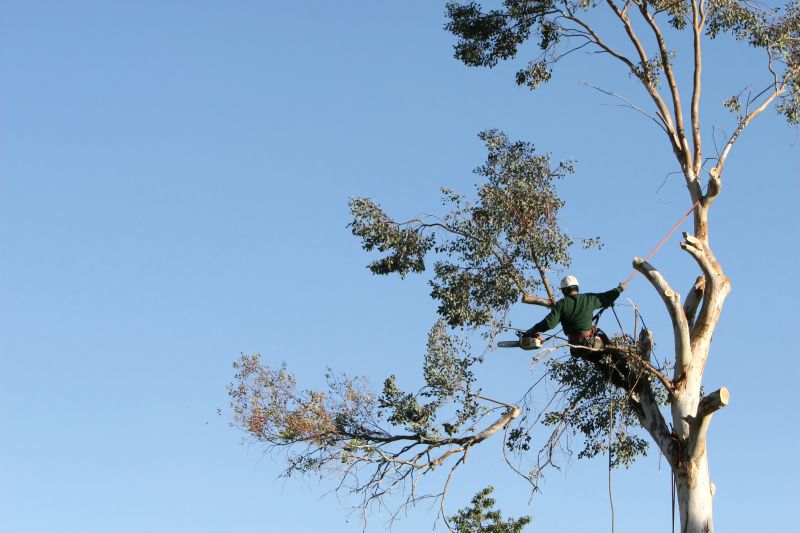
Tree trimmings involve the removal of dead, damaged, or overgrown branches to promote healthy growth and maintain the shape of trees. Proper trimming can improve tree structure, reduce the risk of falling branches, and enhance the aesthetic appeal of landscapes. Timing and technique are crucial to ensure the health of the tree and the safety of property and people.
The optimal time for trimming depends on the tree species and local climate conditions. Generally, late winter or early spring before new growth begins is ideal for most deciduous trees. For flowering trees, trimming should be done after they bloom to avoid removing buds.
Proper timing helps prevent stress to the tree, reduces the risk of disease, and encourages healthy growth. Trimming at the wrong time can lead to poor healing and increased vulnerability to pests and infections.
Seasonality influences sap flow, flowering, and growth cycles. Trimming during dormancy minimizes sap loss and stress, while trimming during active growth periods can stimulate new growth but may increase vulnerability.
Yes, trimming should generally be avoided during late summer and fall when trees are preparing for dormancy. Pruning during active growth can also expose trees to pests and diseases.
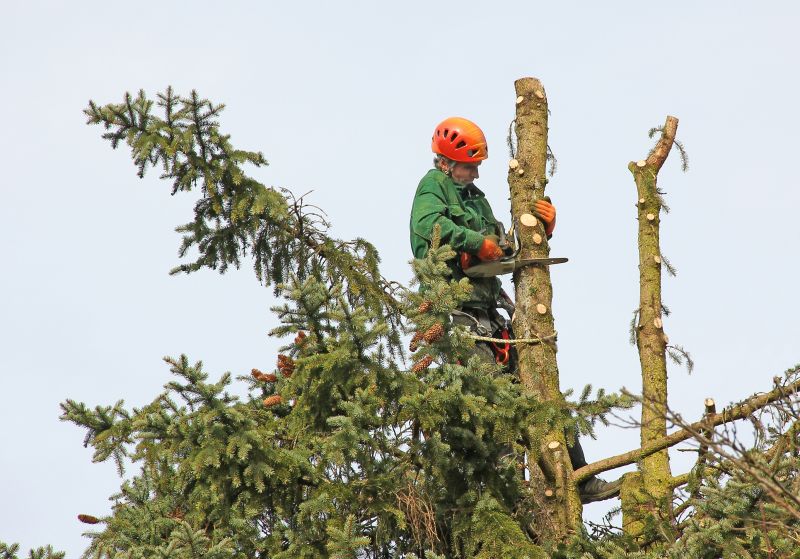
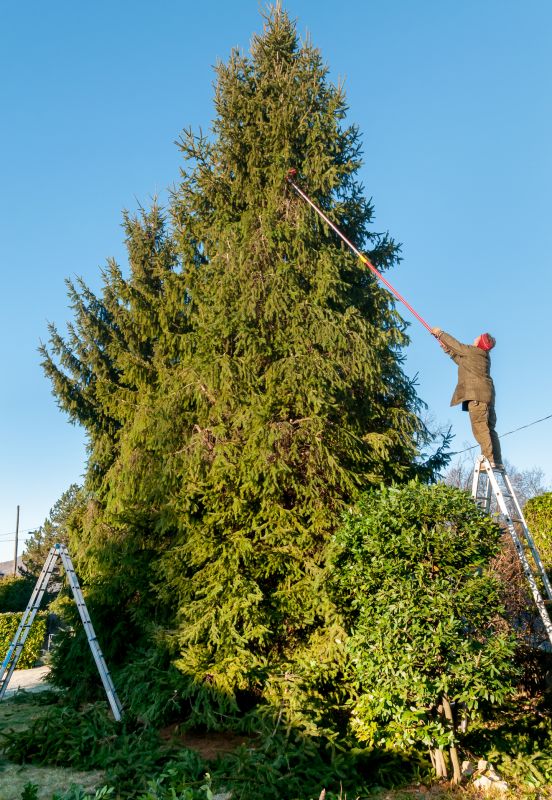
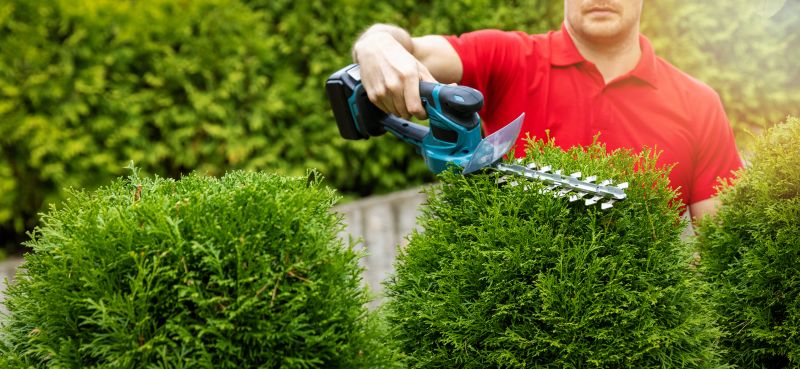
Proper tools ensure safe and effective trimming. Common equipment includes pruning shears, saws, and pole pruners.
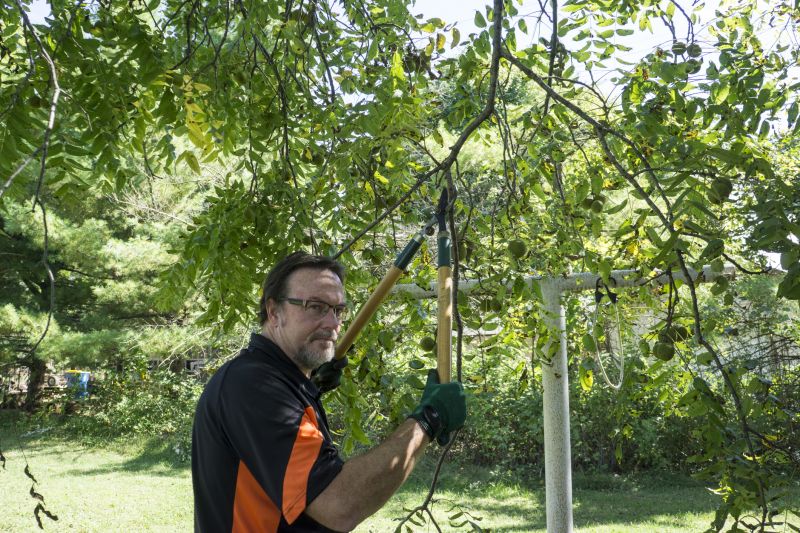
Regular trimming supports robust growth and structural integrity of trees.
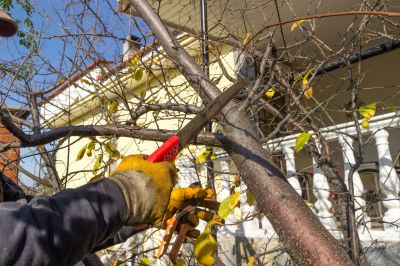
Different seasons require different trimming techniques for optimal health.
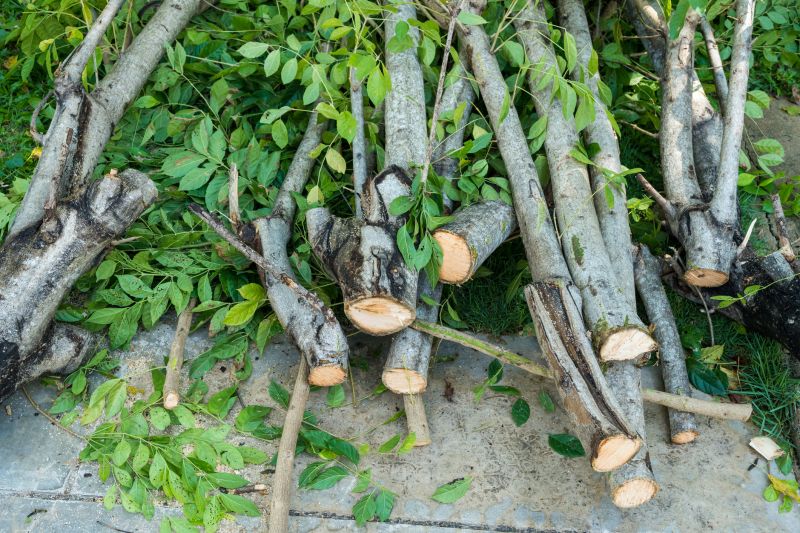
Ways to make Tree Trimmings work in tight or awkward layouts.
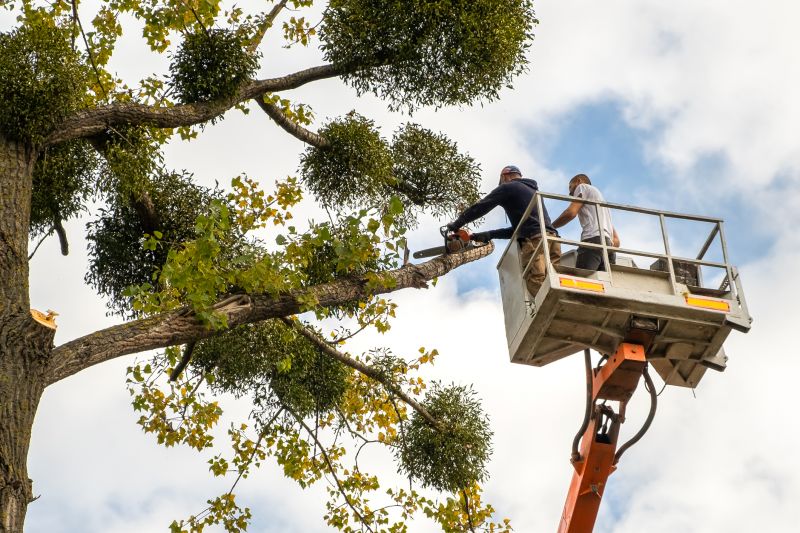
Popular materials for Tree Trimmings and why they hold up over time.
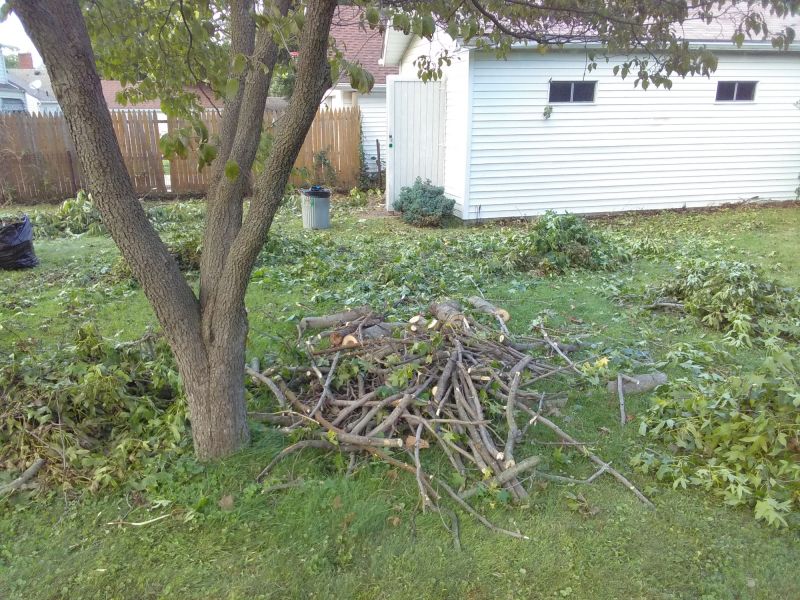
Simple add-ons that improve Tree Trimmings without blowing the budget.
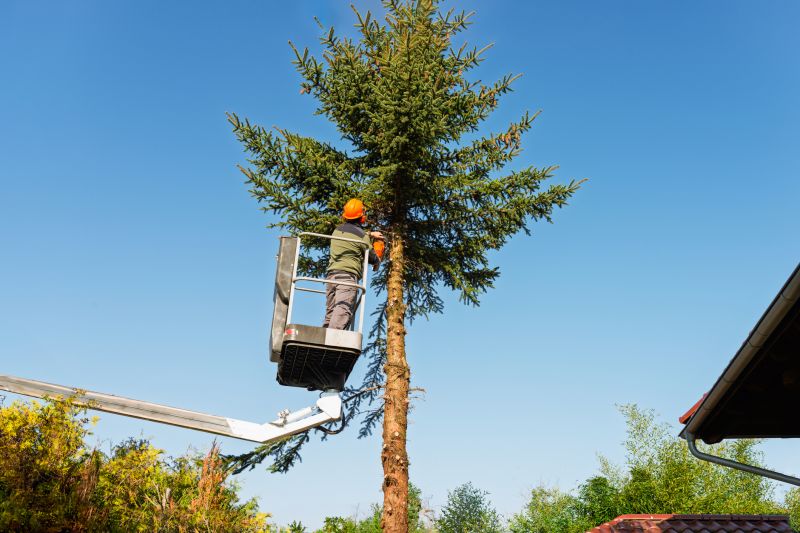
High-end options that actually feel worth it for Tree Trimmings.
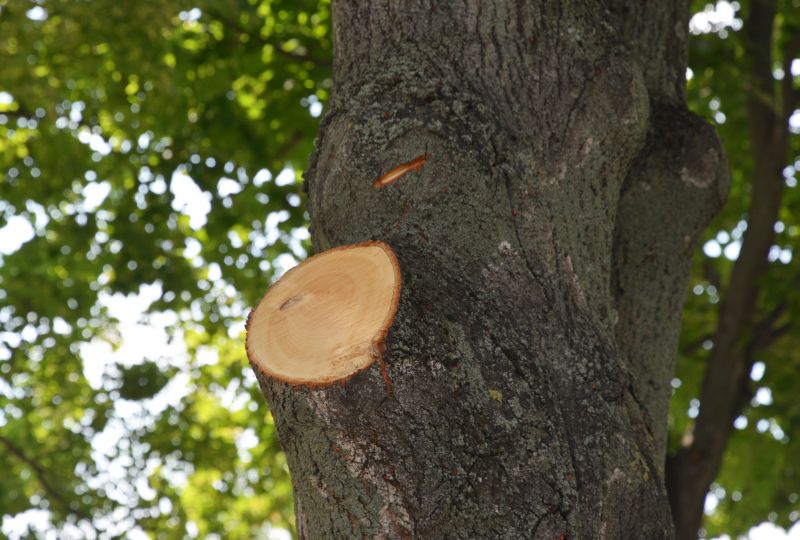
Finishes and colors that play nicely with Tree Trimmings.
| Season | Recommended Trimming Time |
|---|---|
| Winter | Ideal for most deciduous trees before bud break |
| Spring | Suitable after flowering for some trees |
| Summer | Use for shaping and removing dead branches |
| Fall | Generally avoided to prevent stress before dormancy |
Tree trimmings play a vital role in maintaining the health and safety of landscape trees. Properly timed and executed trimming can prevent damage caused by storms or decay and prolong the lifespan of trees. It is essential to consider the specific needs of each tree species and local climate conditions when planning trimming schedules.
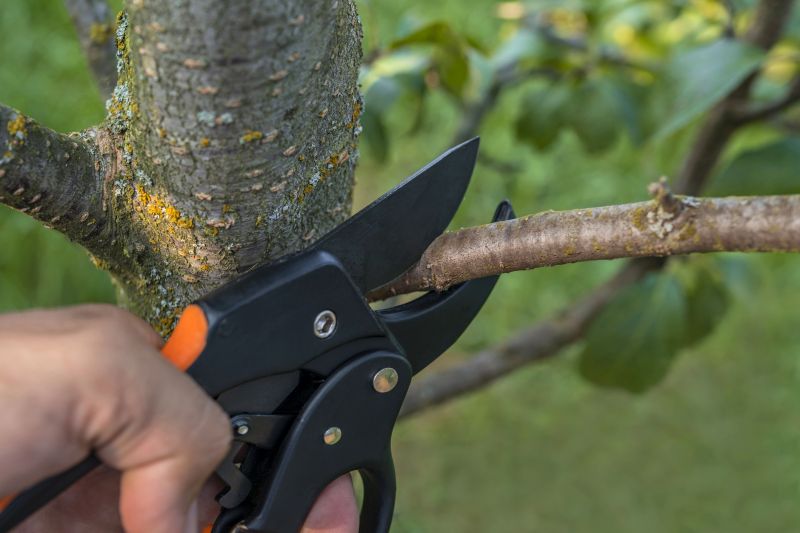
Trimming techniques vary depending on the tree and desired outcome.
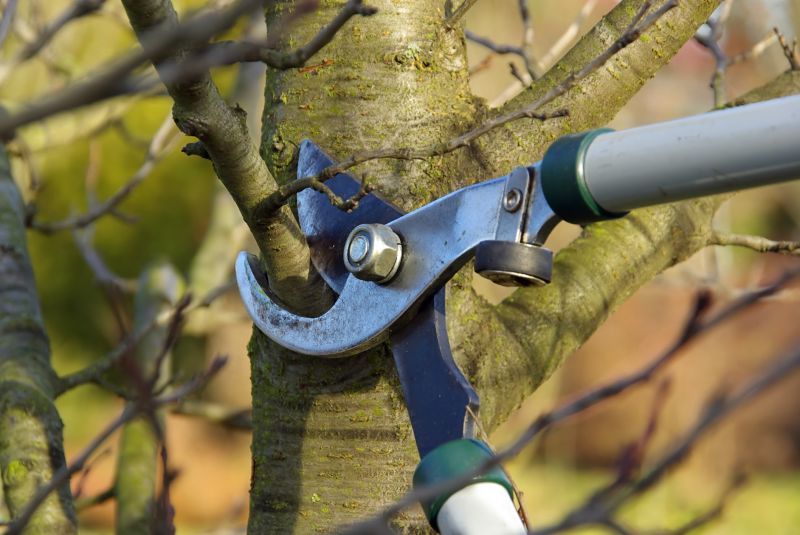
Proper trimming enhances the structure and appearance of trees.
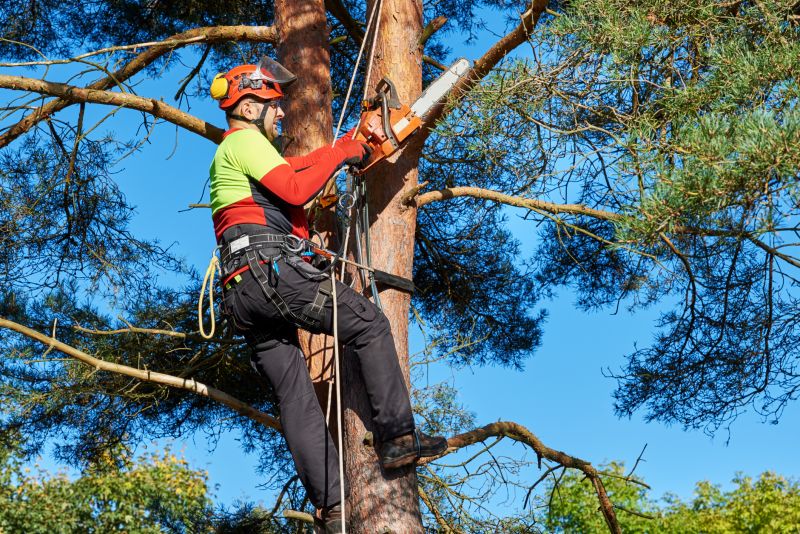
Using the right tools ensures safety and effectiveness.

Little measurements that prevent headaches on Tree Trimmings day.
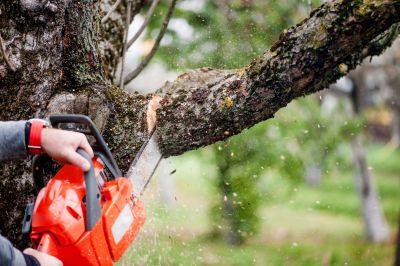
A 60-second routine that keeps Tree Trimmings looking new.
A frequent mistake in Tree Trimmings and how to dodge it.
Small tweaks to make Tree Trimmings safer and easier to use.
Lower-waste or water-saving choices for Tree Trimmings.
Interested in scheduling tree trimmings? Filling out the contact form can provide more information and help plan the best timing for tree maintenance needs.